| Rank | Treatment | Avg US Price | Downtime | Verdict |
|---|---|---|---|---|
| 1 | Botox / Dysport / Xeomin / Jeuveau | $10–$20 per unit | 0 days | Best for dynamic wrinkles 30–50 |
| 2 | HA Dermal Fillers (Juvederm, Restylane) | $700–$1,200 per syringe | 1–3 days bruising | Best for lost volume in cheeks, lips, jaw |
| 3 | Sculptra (PLLA) | $900–$1,500 per vial | 1–2 days | Best for full-face collagen rebuild |
| 4 | Morpheus8 RF Microneedling | $700–$1,500 per session | 3–5 days | Best for mild laxity and texture |
| 5 | Profhilo (bioremodeller) | $600–$900 per session (off-label) | 0 days | Best in Europe; not FDA-approved here |
| 6 | Skinvive (HA microdroplet) | $600–$800 per treatment | 0–1 day | Best for cheek smoothness, glow |
| 7 | PRF / PRP Facial | $500–$1,500 per session | 1–2 days | Best as add-on to microneedling |
| 8 | CoolSculpting (cryolipolysis) | $600–$1,200 per cycle | 0 days | Best for stubborn fat, not skin |
| 9 | Emsculpt Neo | $750–$1,000 per session | 0 days | Best for muscle plus fat in one |
| 10 | Daxxify (long-acting tox) | $12 per unit (~$420 avg) | 0 days | Best if you want 6 months between visits |
The medspa menu in 2026 has more lines on it than ever. Neuromodulators hit 9.88 million treatments in 2024 per ASPS, and 70% of U.S. adults are considering a cosmetic procedure, per the 2025 ASDS Consumer Survey. Choose wrong and you waste money. Choose right and you hit decade-long maintenance.
Provider credentials matter more than brand. Look for a board-certified dermatologist or plastic surgeon, or a nurse injector supervised by one. The ranking below weighs safety, FDA status, evidence, and cost per visible result. Prices reflect 2026 national averages.
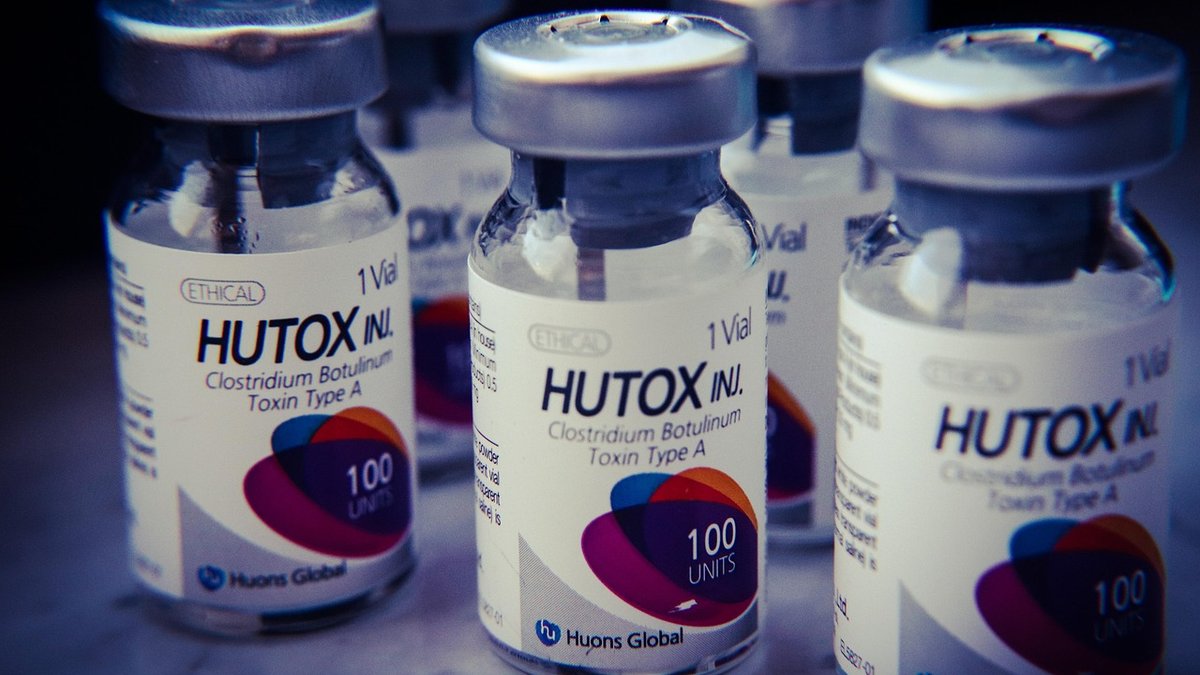
1. Botox / Botulinum Toxin — Wrinkle Standard (Verdict: Best for dynamic wrinkles ages 30 to 50)
Botox blocks the nerve signal to small facial muscles, relaxing crow's feet, forehead lines, and the elevens. The FDA first approved Botox Cosmetic in 2002 for glabellar lines. Dysport, Xeomin, and Jeuveau followed with similar mechanisms but different onset and spread, per a 2026 Femme Aesthetics provider guide.
Pricing runs $10 to $20 per unit, with most foreheads needing 20 to 30 units. Expect $200 to $600 per session. Results show at day 3 to 5, peak by week 2, and fade by month 3 to 4. Downtime is zero.
Side effects: headache (about 6% in trials), eyelid drooping (about 2%), and occasional brow asymmetry per the FDA prescribing information. Skip Botox if you are pregnant, breastfeeding, or have myasthenia gravis. Satisfaction averages 90 to 95% per ASDS data.
2. Hyaluronic Acid Dermal Fillers — Volume Restoration (Verdict: Best for lost volume in cheeks, lips, jaw)
HA fillers were the second-most-performed minimally invasive procedure in 2024, with 5.33 million treatments per ASPS. Juvederm and Restylane lead. Both are gel-based and instantly add volume to cheeks, lips, jawlines, and tear troughs. Results show immediately and last 6 to 24 months depending on the product and area.
Pricing runs $700 to $1,200 per syringe nationally, with most full faces needing 2 to 4 syringes spaced over visits. Lip-only treatments often run one syringe. Downtime is 1 to 3 days of bruising and swelling. Avoid blood thinners and alcohol for 48 hours before.
The serious risk is vascular occlusion, where filler blocks a blood vessel and causes skin necrosis or, rarely, blindness. A 2025 systematic review in the National Library of Medicine found the glabella, nose, and nasolabial folds carry the highest risk. Hyaluronidase reverses it with 84% success when caught within five days. Skip HA fillers if you are pregnant, have an active skin infection at the site, or a history of severe allergic reactions to lidocaine.
3. Sculptra (Poly-L-Lactic Acid) — Collagen Biostimulator (Verdict: Best for full-face collagen rebuild)
Sculptra is not a filler. It is a collagen stimulator. FDA-approved for cosmetic use in 2009, it works by triggering your own fibroblasts to lay down new collagen over 3 to 6 months. The visible plump arrives slowly. The payoff lasts up to 2 years per Cleveland Clinic guidance.
National pricing runs $900 to $1,500 per vial, with most protocols using 2 to 4 vials across 3 sessions spaced 4 to 6 weeks apart. Expect a $3,000 to $6,000 full course. Downtime is 1 to 2 days of swelling and pinpoint bruising. You will be told to massage the area 5 times a day for 5 days. Do it. Skipping massage is the top cause of palpable nodules.
The risks: visible nodules under thin skin (about 1 to 2% in trials), delayed-onset granulomas, and gradual under- or over-correction since results take months to read. Skip Sculptra if you have a history of keloid scarring, active acne in the treatment area, or autoimmune connective-tissue disease. This treatment is for patients who want a slow, natural rebuild rather than an instant change.
4. Morpheus8 RF Microneedling — Lift Without Surgery (Verdict: Best for mild laxity and texture)
Morpheus8 combines microneedling with radiofrequency energy delivered through the needle tips, heating the deeper dermis to trigger collagen and tighten skin. FDA-cleared in 2017 and now standard at most premium medspas, it targets crepey skin, mild jowls, acne scars, and stretch marks. The depth is adjustable from 0.5mm to 8mm, making it usable on faces and bodies.
National pricing runs $700 to $1,500 per session for the face per a 2026 Novuskin breakdown, with most patients needing 3 sessions spaced 4 to 6 weeks apart. Plan for $2,100 to $4,500 total. Downtime is 3 to 5 days of redness, grid-pattern marks, and swelling.
Side effects include temporary post-inflammatory hyperpigmentation in Fitzpatrick IV to VI skin types, mild scarring if numbing creams are over-applied, and rare burns from operator error. Choose a provider who has done at least 100 of these on similar skin tones. Skip Morpheus8 if you are pregnant, have an active skin infection, or are taking isotretinoin within the past 6 months. Results build over 3 to 6 months as collagen remodels.
5. Profhilo — Skin Bioremodelling (Verdict: Best in Europe; not FDA-approved in the U.S.)
Profhilo is an ultrapure hyaluronic acid that diffuses across a wide area to hydrate and stimulate collagen and elastin. It is wildly popular in Europe, Asia, and the Middle East. It is also not FDA-approved in the United States. Any U.S. clinic offering Profhilo is using product imported through gray channels, which is illegal and uninsured for adverse events.
Where legally available abroad, pricing runs roughly $600 to $900 per session, with a 2-session starter protocol 4 weeks apart and maintenance every 6 to 9 months. Downtime is minimal beyond small injection-site bumps that resolve in 24 hours.
Risks specific to gray-market Profhilo in the U.S.: no FDA recall pathway, no verified cold chain, and your malpractice insurer may deny coverage if something goes wrong. The closest FDA-approved alternative is Skinvive (covered below). If you want the Profhilo experience legally, book it during a trip to London, Seoul, or Dubai at a licensed clinic. Skip if you have allergies to HA products or active facial infections.
6. Skinvive (HA Microdroplet) — Smoothness Without Volume (Verdict: Best for cheek smoothness and glow)
Skinvive by Juvederm is the FDA-approved answer for patients who want bioremodelling without leaving the U.S. The FDA approved it in 2023 for improving cheek smoothness, and AbbVie filed a supplemental application for neck use in 2025. It is HA delivered in microdroplets rather than as a volumizing bolus, so it hydrates and adds a soft sheen without changing facial shape.
National pricing runs $600 to $800 per treatment. Most providers space sessions 6 months apart. Downtime is essentially zero beyond tiny injection bumps that flatten in a few hours. Results show within 1 to 2 months and last about 6 months.
Side effects are mild: temporary redness, bruising, and small bumps at injection points. Vascular occlusion is theoretically possible but rare given the superficial microdroplet placement. Skip Skinvive if you have known HA allergies, autoimmune disease, or active acne in the treatment zone. This treatment is the right entry point for patients who want a "glassy" finish without the structural changes of filler.
7. PRF / PRP Facial — Your Own Growth Factors (Verdict: Best as add-on to microneedling)
Platelet-rich plasma and the newer platelet-rich fibrin draw your blood, spin it in a centrifuge, and reinject the platelet layer into your skin. Growth factors trigger collagen and improve tone over weeks. PRF spins slower without anticoagulants, producing a sustained-release fibrin matrix that delivers growth factors more gradually than PRP.
National pricing runs $500 to $1,500 per session, with PRF often $100 to $200 higher than PRP for the more involved processing per a 2026 Hamilton Wellness guide. Most providers recommend 3 sessions spaced 4 to 6 weeks apart. Downtime is 1 to 2 days of mild redness and pinprick bruising.
PRP is not FDA-approved as a cosmetic injectable, which means it is used off-label. Infection risk exists if the draw-and-spin process is sloppy, but serious complications are rare with sterile technique. Skip PRP and PRF if you have an active blood-borne infection, a clotting disorder, are pregnant, or are on chronic immunosuppressants. The biggest value comes from stacking PRF with microneedling rather than injecting it alone.
8. CoolSculpting (Cryolipolysis) — Stubborn Fat, Not Skin (Verdict: Best for stubborn fat, not skin)
CoolSculpting freezes fat cells to a temperature that destroys them while sparing skin and nerves. FDA-cleared in 2010, it targets pinchable fat on the abdomen, flanks, thighs, and chin. It is not a skin-tightening or weight-loss treatment. It is fat reduction in a specific zone.
National pricing runs $600 to $1,200 per applicator cycle, with most areas needing 2 to 4 cycles plus a second round 8 to 12 weeks later. Average full course is around $3,200. Downtime is zero, though numbness, redness, and bruising at the applicator site can last 2 to 6 weeks.
The known serious complication is paradoxical adipose hyperplasia, where treated fat grows larger and harder instead of shrinking, requiring liposuction to correct. PAH was reported at about 1 in 138 treatments in some 2024 datasets, more common in men and in the abdomen. Skip CoolSculpting if you have cryoglobulinemia, cold agglutinin disease, paroxysmal cold hemoglobinuria, or hernias at the treatment site. Loose skin will not tighten after fat loss; pair with RF or Emsculpt if laxity is a concern.
9. Emsculpt Neo — Muscle Plus Fat (Verdict: Best for muscle plus fat in one)
Emsculpt Neo combines high-intensity focused electromagnetic energy with radiofrequency heat. The HIFEM+ triggers about 20,000 forced muscle contractions in a 30-minute session, while the RF destroys fat over the same area. FDA-cleared for abdomen, buttocks, thighs, arms, and calves, it claims roughly 25% muscle gain and 30% fat reduction per published manufacturer trials.
National pricing runs $750 to $1,000 per session. Standard protocols call for 4 sessions over 2 to 4 weeks. Plan for $3,000 to $4,000 total. Downtime is zero. Patients describe the next-day feeling as a brutal workout: sore but functional.
Side effects are mild and short-lived: muscle soreness, temporary warmth, and occasional skin redness from the RF. Skip Emsculpt Neo if you have metal implants near the treatment area, cardiac pacemakers or defibrillators, copper IUDs, are pregnant, or have hernias at the target zone. This is the right pick for patients who want a leaner, more toned look without surgery and have already maxed out diet and gym work.
10. Daxxify — The Long-Acting Tox (Verdict: Best if you want 6 months between visits)
Daxxify is the new entrant. FDA-approved in September 2022 for glabellar lines, it uses a peptide-exchange stabilizer instead of human serum albumin or animal proteins. The killer feature is duration. Median effect runs 6 to 9 months versus Botox's 3 to 4 per Revance trial data.
Pricing is $12 per unit set by manufacturer, with 35 to 40 units typical for the frown lines, putting a single Daxxify session at roughly $420 to $480. Annual cost averages $3,360 across 2 sessions versus Botox's $2,730 across 3 per a 2026 Nectar Aesthetics breakdown. Downtime is zero, same as other neuromodulators.
Trial side effects: headache in 6% of patients, eyelid ptosis in 2%, and facial asymmetry in 1% per FDA Drug Trials Snapshot. Skip Daxxify if you are pregnant, breastfeeding, have neuromuscular disease, or are allergic to cow's milk protein. The big tradeoff: if you get a bad result (heavy brow, asymmetry), you live with it for 6 to 9 months instead of 3 to 4. Start with a conservative dose on your first visit.
How We Ranked
Spa / medspa rankings combine three sources:
- Verifiable clinical signals: physician medical director on file, RN/PA injector credentials, FDA-approved device inventory (vs counterfeit / off-label devices), and state-board compliance for any device-based or injectable treatments.
- Client-reported outcomes: Google reviews from the past 24 months, plus r/30PlusSkinCare / r/SkincareAddiction / r/Aesthetics from the past 12 months. We flag patterns in pressure-to-buy complaints, injectable result complaints, and refund disputes.
- First-hand intake calls verifying medical director, injectable training documentation, and pricing transparency.
What we never accept: paid placement, sponsorship from device manufacturers that would influence which device-based treatments we recommend. We do use affiliate links to at-home skincare devices and product brands — these never affect spa rankings.
Update cadence: quarterly spa re-verification. Email research@spalens.com for corrections.
Frequently Asked Questions
Q: What credentials should my injector have? A: At minimum, a board-certified dermatologist, plastic surgeon, oculoplastic surgeon, or facial plastic surgeon. Nurse injectors and physician assistants are acceptable if they work under direct physician supervision and have hundreds of cases under their belt. Verify board status on the American Board of Medical Specialties website. State licensing boards also list disciplinary actions. Skip any "medspa" without a named medical director.
Q: Should I trust RealSelf reviews when picking a treatment? A: RealSelf reviews are useful for spotting recurring complaints and provider-specific issues, but they skew toward dissatisfied patients and one-off raves. Cross-reference with ASPS member directories, state board records, and Google reviews. Ask any prospective provider for before-and-after photos of their own patients with your skin tone and concern, not stock manufacturer images.
Q: Does insurance cover any of these treatments? A: Almost never. All 10 treatments here are cosmetic and excluded from health insurance. Exceptions exist for therapeutic Botox (migraine, hyperhidrosis, cervical dystonia) and reconstructive filler after trauma or skin cancer surgery. HSA and FSA accounts may cover therapeutic uses with a Letter of Medical Necessity, but cosmetic uses are not eligible.
Q: How long before or after dental work should I get Botox or filler? A: Wait at least 2 weeks after any dental procedure before facial injections, and avoid dental work for 2 weeks after fillers in the lower face. Dental stretching and infection risk can displace filler or seed bacteria around fresh injection sites. For routine cleanings, a 1-week gap is usually fine. Always tell your injector and dentist about recent or upcoming treatments.
Q: How do I lower my risk of side effects? A: Choose a board-certified provider who has done hundreds of your specific treatment. Stop blood thinners (aspirin, ibuprofen, fish oil, vitamin E) for 7 days before injections if your prescribing doctor approves. Skip alcohol for 48 hours before and after. Do not exercise for 24 hours post-injection. Sleep upright on your first night after filler or tox. Report any sudden pain, vision change, or skin discoloration to your provider within minutes, not hours.
Related Reading: Day Spa vs Med Spa: What's the Difference in 2026 | Best Med Spa Memberships Compared | Hydrafacial vs Diamond Glow | GLP-1 Body Contouring Combos at Med Spas | Best Med Spas in Miami for Anti-Aging
-- The Spa Lens Team